Introduction
In this blog, explore the world of pet anxiety, including its symptoms, potential causes, and effective treatments to help your furry friend lead a happier, more relaxed life.
Major Signs of Pet Anxiety
Let us go through a few of the most prominent signs of pet anxiety.
- Excessive Panting or Pacing

One of the primary signs of anxiety in pets is excessive panting or pacing. Dogs, in particular, may exhibit restlessness, repeatedly moving from one place to another without any apparent reason.
- Excessive Vocalization

Increased barking, meowing, or other vocalizations can be a manifestation of anxiety. If your typically quiet pet suddenly becomes more vocal, it might be a sign that something is amiss.
- Destructive Behavior

Anxious pets may resort to destructive behaviors such as chewing furniture, scratching walls, or tearing up belongings. This behavior often stems from a need to relieve stress or pent-up energy.
- Changes in Eating Habits

Changes in appetite, whether excessive eating or loss of interest in food, can be indicative of anxiety. Some pets may overeat as a coping mechanism, while others may lose interest in food altogether.
- Withdrawal or Clinginess

While some pets become more withdrawn when anxious, others may become excessively clingy, seeking constant reassurance and attention from their owners.
- Toileting Accidents

House-trained pets may start having toileting accidents in the house when they’re anxious. This behavior is often a result of stress or fear.
- Aggression

Anxiety can sometimes manifest as aggression, particularly in situations that trigger fear. A normally friendly pet may become defensive or even aggressive when feeling threatened.
Common Causes of Pet Anxiety
To understand pet anxiety thoroughly, let us go through some of the most common causes of pet anxiety.
- Changes in Environment

Pets are creatures of habit, and significant changes in their environment, such as moving to a new home or rearranging furniture, can trigger anxiety.
- Separation Anxiety
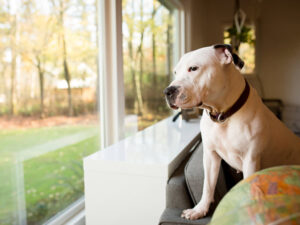
Many pets experience separation anxiety when left alone. This can lead to destructive behavior as they try to cope with the stress of being apart from their owners.
- Lack of Socialization

Pets that haven’t been adequately socialized, especially during their early development stages, may exhibit anxiety in new or unfamiliar situations.
- Past Trauma
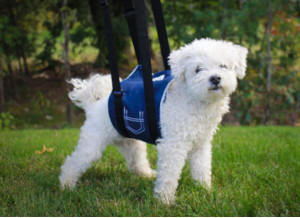
Pets with a history of abuse or trauma are more susceptible to anxiety. Loud noises, certain scents, or even specific objects may trigger memories of past trauma.
- Medical Issues

Some medical conditions can contribute to anxiety in pets. Pain, discomfort, or neurological issues can manifest as behavioral problems.
Effective Treatments for Pet Anxiety
After understanding the major symptoms and causes of pet anxiety, you must be seeking ways to prevent or resolve them. Here are a few effective ways to treat pet anxiety.
- Create a Safe Space
Provide your pet with a designated safe space where they can retreat when feeling anxious. This could be a cozy corner with their bed or a crate.
- Behavioral Training

Positive reinforcement and behavioral training can be highly effective in managing pet anxiety. Reward calm behavior and gradually expose your pet to anxiety-inducing situations in a controlled manner.
- Regular Exercise

Physical activity is an excellent stress reliever for pets. Ensure your furry friend gets regular exercise to help burn off excess energy and reduce anxiety.
- Comforting Products

Consider using comforting products like anxiety wraps or pheromone diffusers, which can help create a calming environment for your pet.
- Professional Help

In severe cases, seeking the assistance of a professional animal behaviorist or trainer may be necessary. They can provide tailored strategies to address your pet’s specific anxiety triggers.
- Medication

In some instances, veterinarians may prescribe medications to manage severe anxiety. These medications are typically used in conjunction with behavioral interventions.
- Routine and Predictability
 Establishing a routine provides a sense of predictability for your pet. Consistent feeding times, regular walks, and a structured daily routine can contribute to a calmer environment.
Conclusion
Understanding and addressing pet anxiety requires patience, observation, and a commitment to your pet’s well-being. By recognizing the signs of anxiety, identifying potential causes, and implementing effective treatments, you can help your furry friend lead a happier, more relaxed life.
Remember, a happy and stress-free pet is not only beneficial for them but also deepens the bond between you and your beloved companion.